Use of Plastic Molds in the Automotive Industry
Contact us via Whatsapp
Use of Plastic Molds in the Automotive Industry
Importance of Plastic Molds in the Automotive Industry
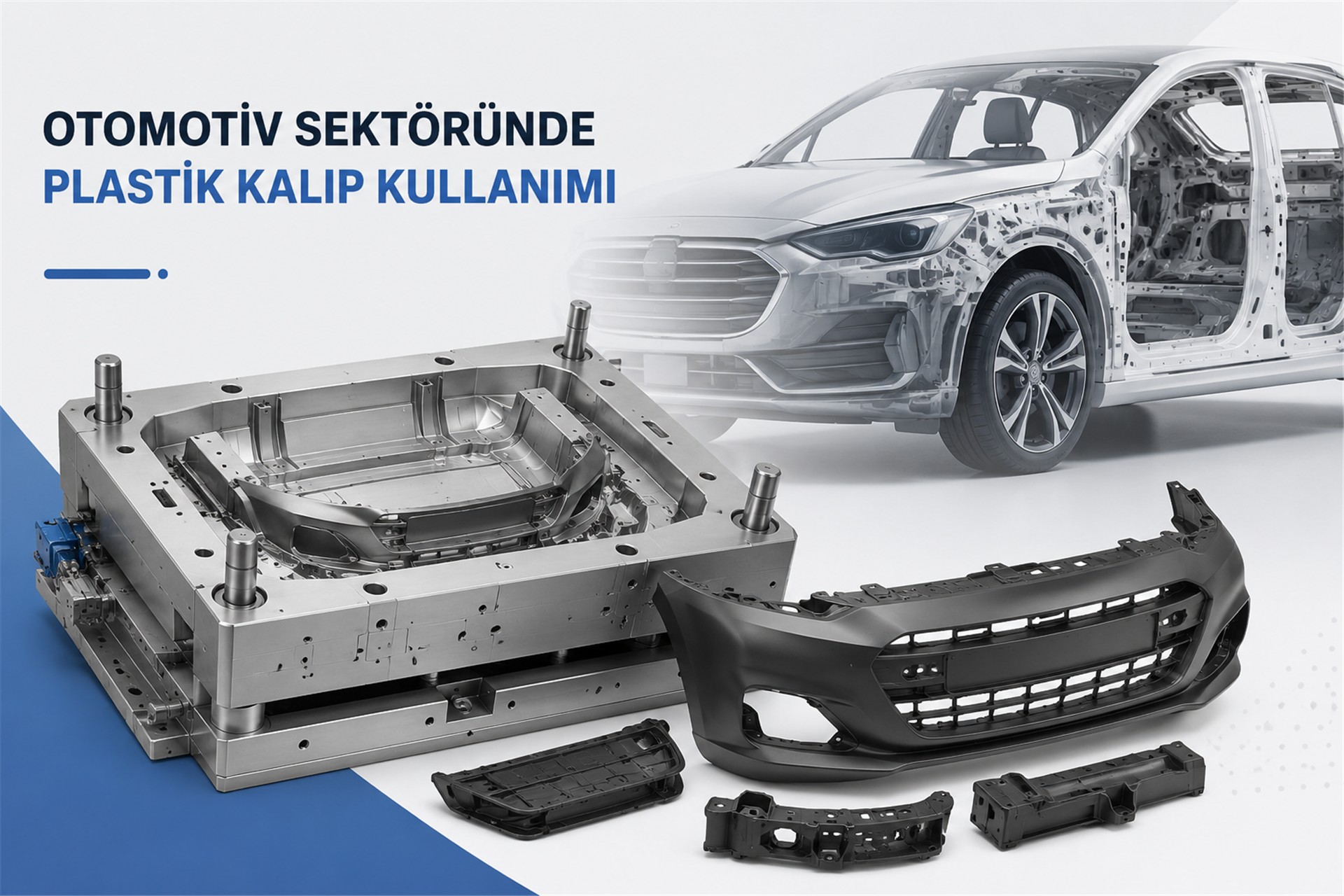
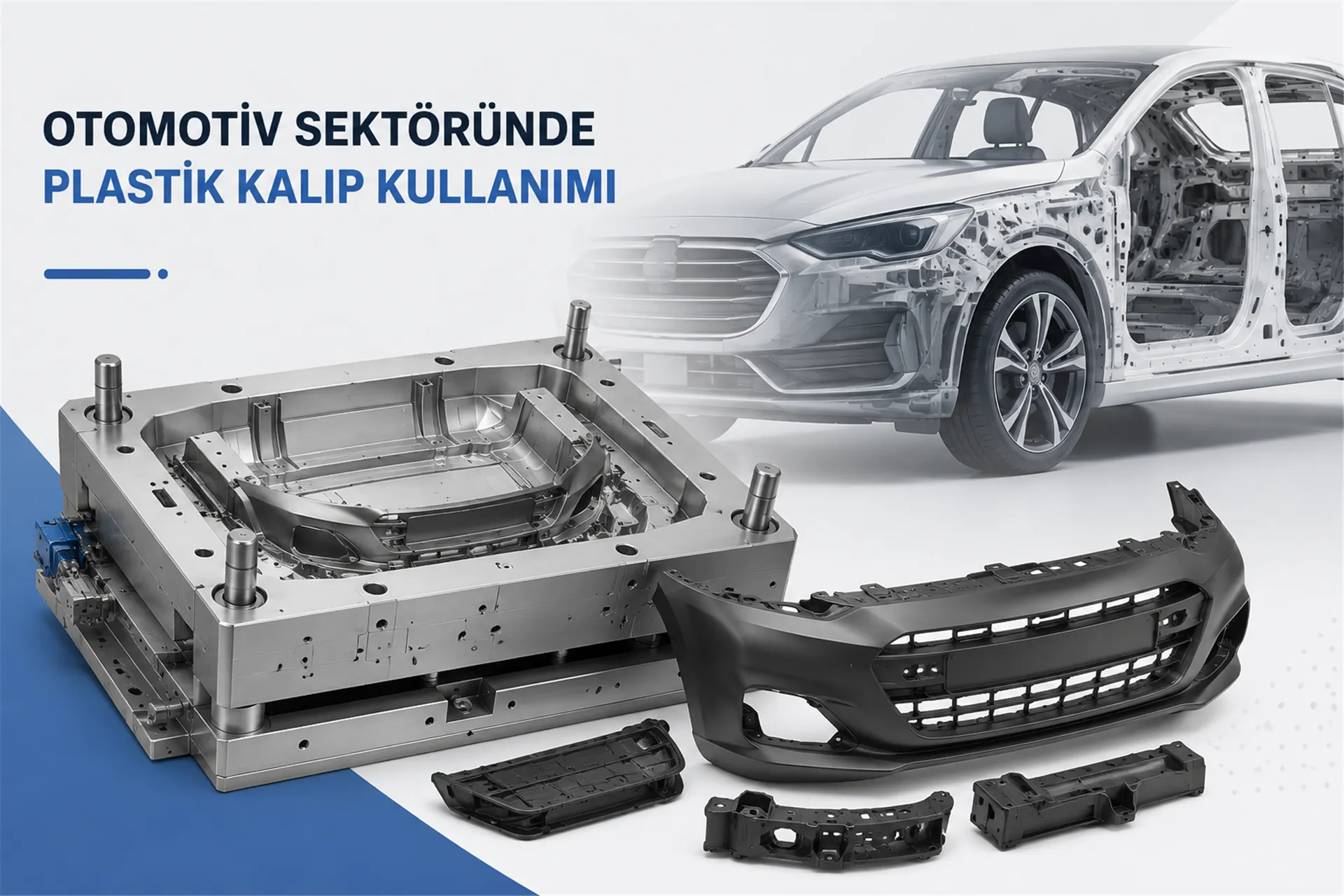
The automotive industry is one of the largest industrial sectors requiring high precision, durability, and mass production capability. Plastic injection molds play a critical role in the production of both interior and exterior vehicle components. Dashboard panels, door trims, bumpers, ventilation systems, and many technical parts are manufactured using plastic injection technology.
The use of plastic molds in the automotive industry provides both cost efficiency and production standardization. The ability to produce millions of identical parts with consistent quality is a fundamental requirement of the automotive sector. Therefore, mold design and manufacturing require highly precise engineering processes.
Role of Mold Design in Automotive Components
Automotive components usually have complex geometries and require high mechanical strength. For this reason, mold design must consider operating conditions, temperature variations, impact resistance, and assembly compatibility in detail.
Even a small design error can cause serious quality issues in mass production. Therefore, automotive molds are typically produced using high-precision CNC machining technologies and CAD/CAM-supported engineering systems.
Advantages of Plastic Injection in Mass Production
Plastic injection molding is one of the most efficient methods for mass production in the automotive industry. It enables large-scale production in a short time while maintaining consistent product quality.
In addition, the lightweight nature of plastic materials helps reduce the overall vehicle weight, contributing to improved fuel efficiency. This provides both environmental and economic advantages.
Plastic injection manufacturing also allows the use of various material types, making it possible to produce flexible, durable, and heat-resistant components.
Quality Standards in the Automotive Industry
Quality standards in the automotive sector are extremely high. Every produced part must be durable, reliable, and long-lasting. Therefore, compliance with international standards such as ISO is essential in mold manufacturing processes.
Mold surface quality, dimensional accuracy, and repeatability directly affect the performance of automotive components. For this reason, continuous quality control systems are implemented throughout production.
Contribution of Modern Technologies to Automotive Mold Manufacturing
Advancing production technologies have made mold manufacturing in the automotive sector more efficient. CAD/CAM systems, 3D simulations, and CNC machining centers enable high-precision production.
In addition, robotic automation systems have accelerated production processes and minimized human error. This improves product quality while reducing costs.
With Industry 4.0 applications, digital manufacturing processes in the automotive sector have further evolved, making real-time data tracking and quality control systems widely used.